Stop 17 of 17 · Bering Sea Coast
Nome
The last stop on the historic trail, a gold town since the strike of 1898, where the whole community turns out each March for the finish of the sled dog race.
What to See
- The beaches east of town, where recreational gold panning is allowed as far as the Fort Davis Roadhouse
- The Swanberg Dredge, a mile east of downtown
- The Carrie M. McLain Museum and the Nome Visitors Center
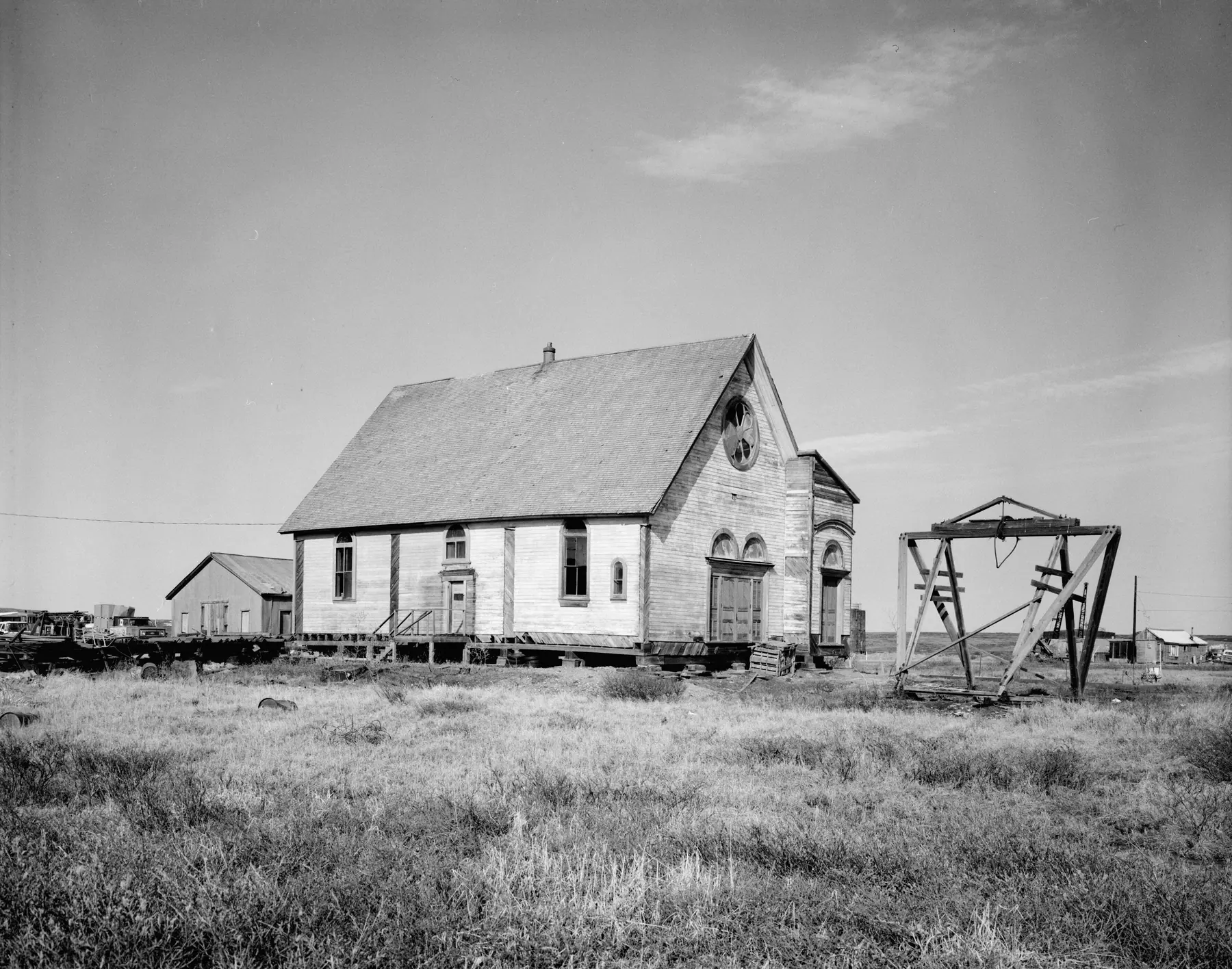
- St. Joseph Church, built in 1902, whose lit steeple guided miners and mushers in winter
Ways to Travel Here
- Hike or BackpackDrive out on the Council Highway to the Safety Sound Bridge and walk the trail on the beach of the Alaska Maritime National Wildlife Refuge.
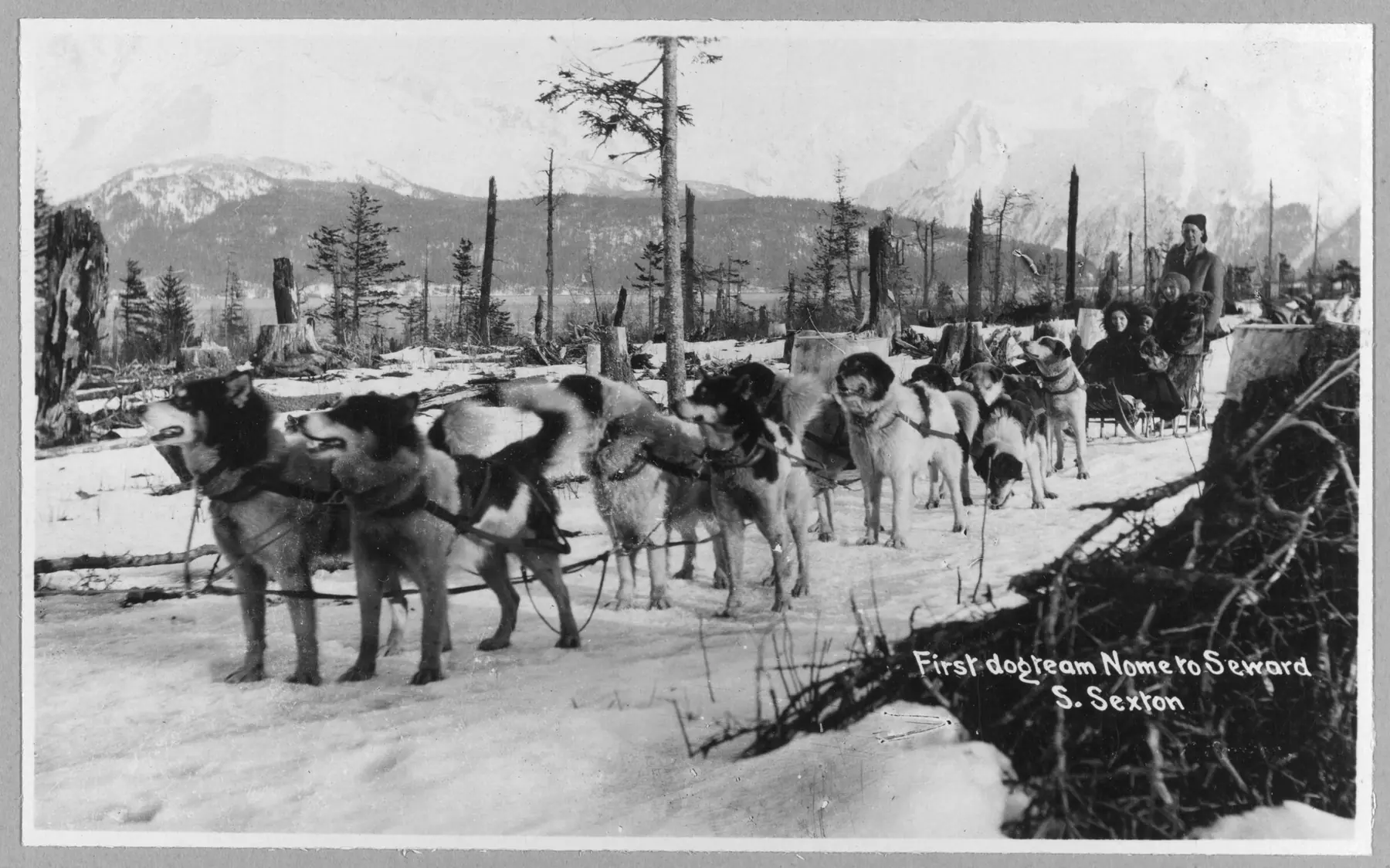
- Mush a Dog TeamCheer the finish of the Iditarod Trail Sled Dog Race in March.
- SnowmachineWatch the Iron Dog snowmobile race reach Nome in February.
- DriveDrive the first 35 miles of the Nome-Council Highway, which are the trail itself and, in winter, unplowed and marked with tripods.
- Fly InFly to Nome; it is reached by plane.
No matter what the time of year, be prepared. Check local conditions before you venture out.
History of Nome
Malemiut, Kauweramiut and Unalikmiut Eskimos have occupied the Seward Peninsula historically, with a well-developed culture adapted to the environment. Around 1870 to 1880, the caribou declined on the Peninsula and the Eskimos changed their diets. Gold discoveries in the Nome area had been reported as far back as 1865 by Western Union surveyors seeking a route across Alaska and the Bering Sea. But it was a $1500-to-the-pan gold strike on tiny Anvil Creek in 1898 by three Scandinavians, Jafet Lindeberg, Erik Lindblom, and John Brynteson, that brought thousands of miners to the "Eldorado." Almost overnight an isolated stretch of tundra fronting the beach was transformed into a tent-and-log cabin city of 20,000 prospectors, gamblers, claim jumpers, saloon keepers, and prostitutes. The gold-bearing creeks had been almost completely staked, when some entrepreneur discovered the "golden sands of Nome." With nothing more than shovels, buckets, rockers and wheel barrows, thousands of idle miners descended upon the beaches. Two months later the golden sands had yielded one million dollars in gold (at $16 an ounce). A narrow-gauge railroad and telephone line from Nome to Anvil Creek was built in 1900. By 1902 the more easily reached claims were exhausted and large mining companies with better equipment took over the mining operations. Since the first strike on tiny Anvil Creek, Nome's gold fields have yielded $136 million. The gradual depletion of gold, a major influenza epidemic in 1918, the depression, and finally World War II, each influenced Nome's population. A disastrous fire in 1934 destroyed most of the City.
Bering Sea Coast, Unalakleet to Nome
- UnalakleetNorton Sound village
A beachfront community on Norton Sound inhabited for almost 2,000 years, at the coast end of the Kaltag Portage, with daily flights from Anchorage.
- GolovinCoast village
The Inupiaq village of Chinik, where John Dexter’s trading post became the center for prospecting news on the Seward Peninsula and the supply point for the Council goldfields.
- SolomonGold camp
A gold camp at the mouth of the Solomon River, where the 1913 storm stranded the engines of the Council City and Solomon Railroad, the Last Train to Nowhere.
- NomeEnd of the trail
The last stop on the historic trail, a gold town since the strike of 1898, where the whole community turns out each March for the finish of the sled dog race.