Stop 15 of 17 · Bering Sea Coast
Golovin
The Inupiaq village of Chinik, where John Dexter’s trading post became the center for prospecting news on the Seward Peninsula and the supply point for the Council goldfields.
What to See
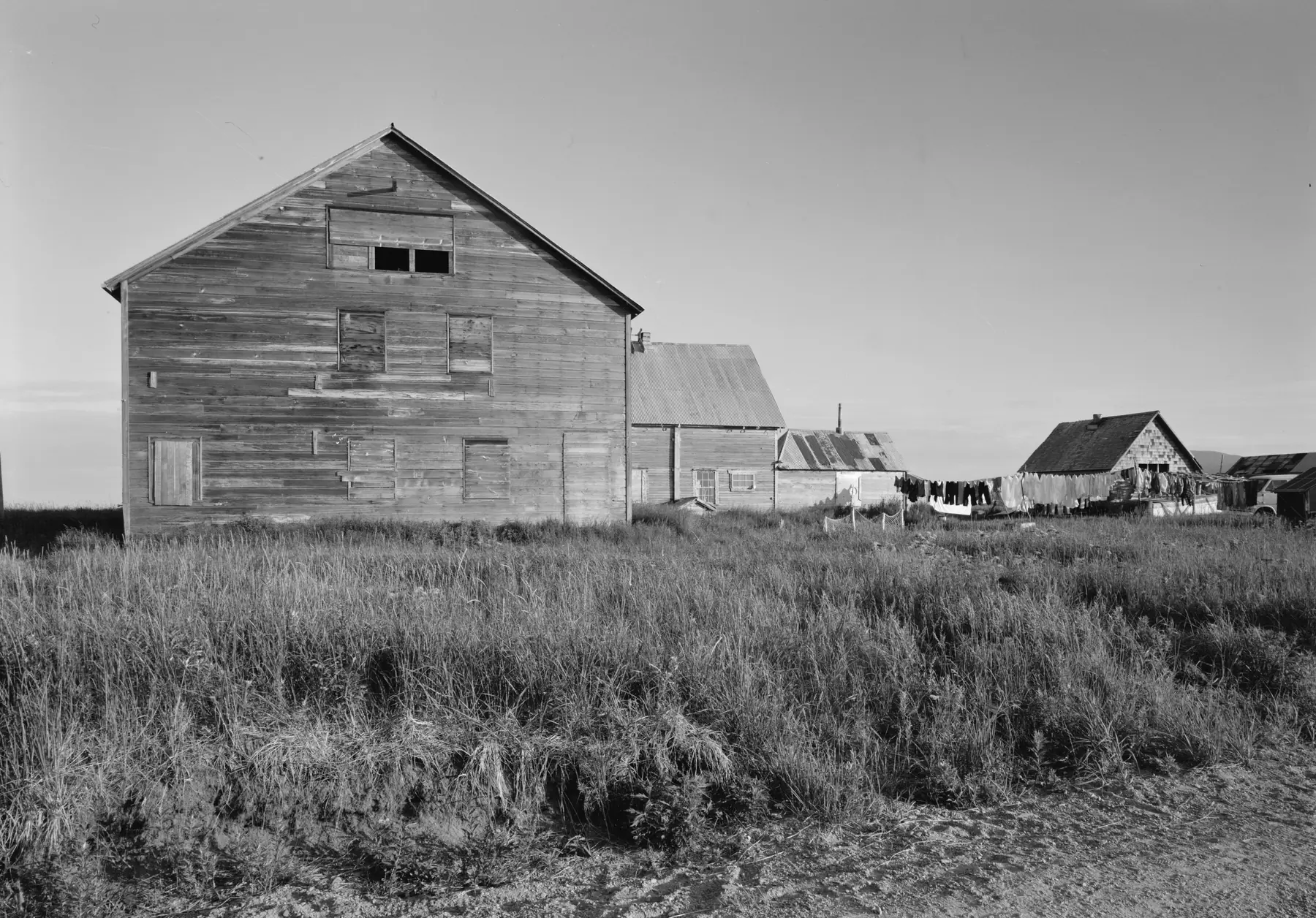
- The Dexter Roadhouse, documented by the Historic American Buildings Survey
Ways to Travel Here
- Mush a Dog TeamMush the coast trail between villages in winter.
- SnowmachineTravel the coast trail between villages in winter.
- Fly InFly in to Golovin.
No matter what the time of year, be prepared. Check local conditions before you venture out.
History of Golovin
The Eskimo village of "Chinik," located at the present site of Golovin, was originally settled by the Kauweramiut Eskimos who later mixed with the Unaligmiut Eskimos. Golovin was named for Captain Vasili Golovnin of the Russian Navy. In 1887, the Mission Covenant of Sweden established a church and school south of the current site. Around 1890, John Dexter established a trading post that became the center for prospecting information for the entire Seward Peninsula. When gold was discovered in 1898 at Council, Golovin became a supply point for the gold fields. Supplies were shipped from Golovin across Golovnin Lagoon and up the Fish and Niukluk Rivers to Council. A post office was opened in 1899. Reindeer herding was a integral part of the missions in the area in the 1900s.
Bering Sea Coast, Unalakleet to Nome
- UnalakleetNorton Sound village
A beachfront community on Norton Sound inhabited for almost 2,000 years, at the coast end of the Kaltag Portage, with daily flights from Anchorage.
- GolovinCoast village
The Inupiaq village of Chinik, where John Dexter’s trading post became the center for prospecting news on the Seward Peninsula and the supply point for the Council goldfields.
- SolomonGold camp
A gold camp at the mouth of the Solomon River, where the 1913 storm stranded the engines of the Council City and Solomon Railroad, the Last Train to Nowhere.
- NomeEnd of the trail
The last stop on the historic trail, a gold town since the strike of 1898, where the whole community turns out each March for the finish of the sled dog race.