Trail
Recreation Information
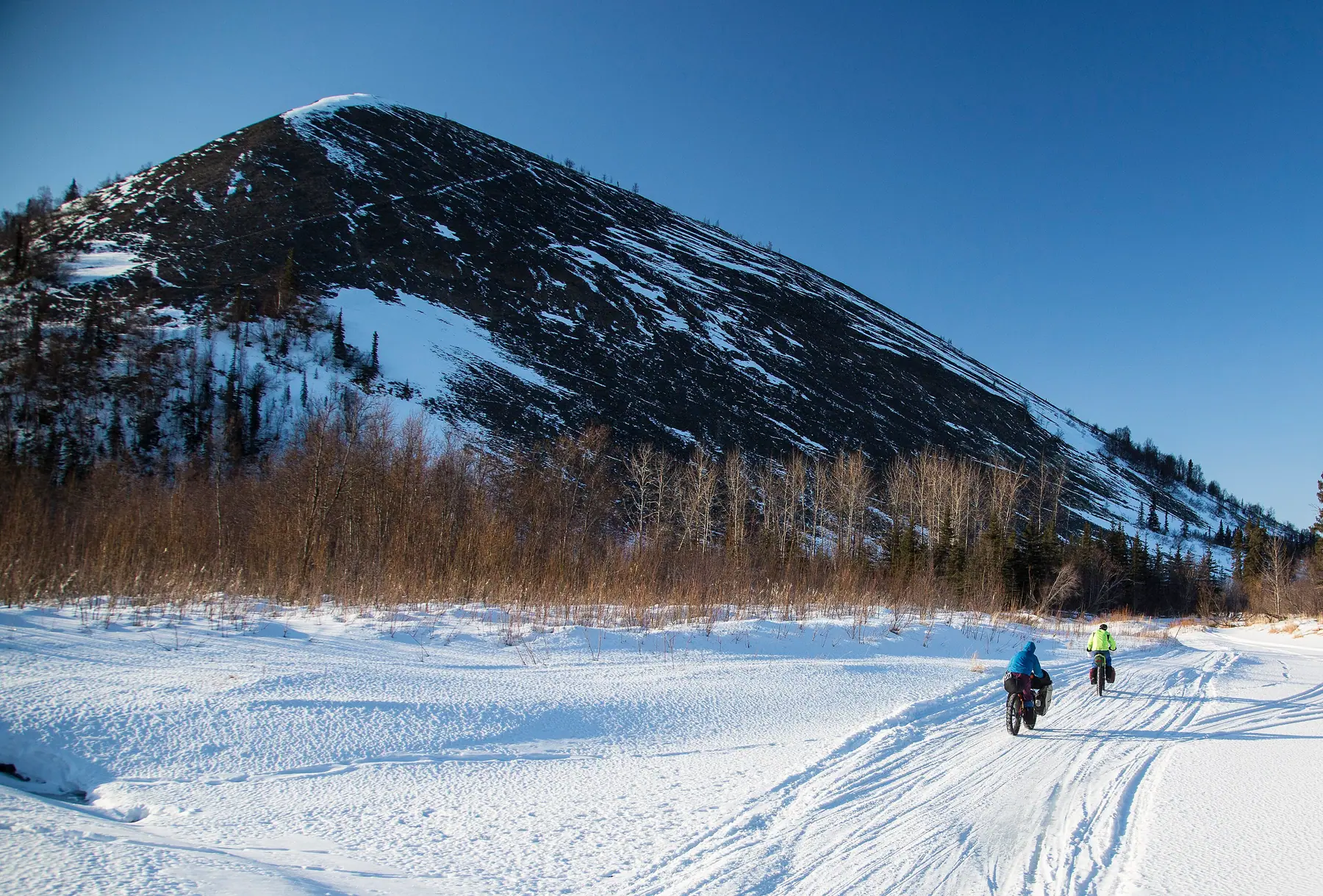
There are many different ways to get outside and enjoy the Iditarod National Historic Trail. In the summer season, popular trail activities include hiking, biking, packrafting, and camping. During the winter months, skiing, dog sledding, fat biking, and snowmachining are just some of the ways you can experience all that the trail has to offer.
Who Manages the Trail
No one entity manages the entire Iditarod National Historic Trail. The Bureau of Land Management was appointed to coordinate the efforts of public land managers and volunteers on behalf of the Trail, but the actual management, maintenance, and preservation of the Trail, including the natural and cultural sites located along it, is a group effort.
-
Bureau of Land Management
U.S. Department of the Interior, Anchorage Field Office
4700 BLM Road, Anchorage, AK 99507
-
Chugach National Forest
U.S. Department of Agriculture: Seward Ranger District, 334 4th Avenue, Seward; Glacier Ranger District, Forest Station Road, Girdwood
161 First Avenue, Anchorage, AK 99501
-
Alaska State Parks
State of Alaska Department of Natural Resources, Division of Parks and Outdoor Recreation
550 West 7th Avenue, Anchorage, AK 99501
-
U.S. Fish and Wildlife Service
U.S. Department of the Interior, including the Innoko National Wildlife Refuge
1011 Tudor Road, Anchorage, AK 99503
Addresses from the Alliance’s partners page
Before You Go
Prepare for extreme weather, potential hazards, and emergencies. Know where you are going; the Iditarod NHT crosses lands managed by a number of different entities (BLM, State of Alaska, USFS, and private). Be sure to read up on the regulations and rules for each area you’ll be visiting.
You can look at, but do not touch or take any cultural or historic structures and artifacts you might encounter on the trail. The removal of artifacts or destruction of historic sites on public lands is prohibited by law.
From Iditarod National Historic Trail Visitor Guide, page 16
No matter what the time of year, be prepared. Check local conditions before you venture out.
Public Shelter Cabins
During the height of the gold rush era, roadhouses and shelter cabins provided travelers with a safe place to warm up and dry off during their journey along the Iditarod Trail. These cabins were spaced about twenty miles apart, or roughly the distance of one day’s journey. Today, in the tradition of these places past, a number of public shelter cabins have been built along the historic Trail for visitors to enjoy.
Southcentral Alaska
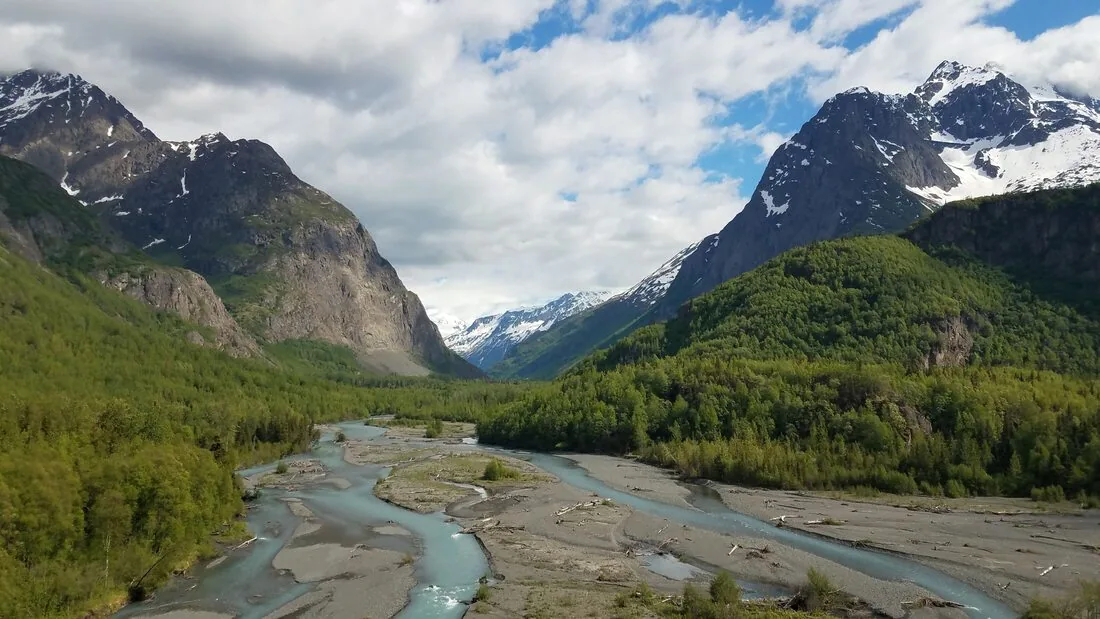
The Chugach National Forest rents public use cabins on both the Johnson Pass and Crow Pass Iditarod Trails. Reservations are required. Just north of Anchorage, on the Eagle River side of the Crow Pass-Iditarod Trail, one cabin and three public use yurts are available for rent year-round on the portion of the Trail managed by the Eagle River Nature Center. Reservations are required.
Interior/Rivers Region
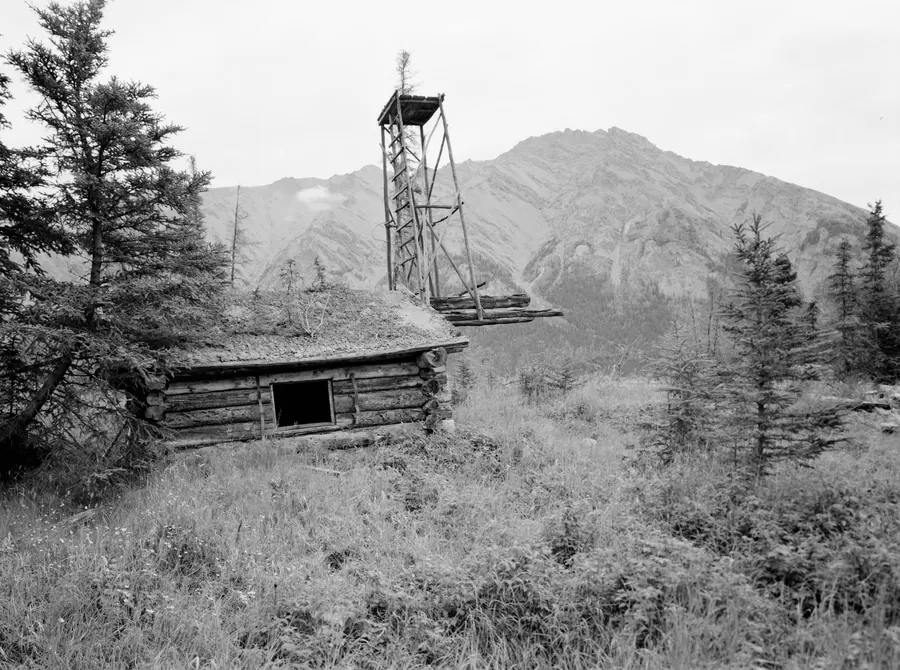
Between Knik and the community of Kaltag, there are nine public shelter cabins along the historic Iditarod Trail. Accessible in winter only, the cabins do not require a reservation, although users are expected to share the cabins with other parties. Two of the cabins are maintained by the Bureau of Land Management (BLM), and seven are maintained by local trail partners under permit from the State of Alaska Department of Natural Resources (AK DNR).
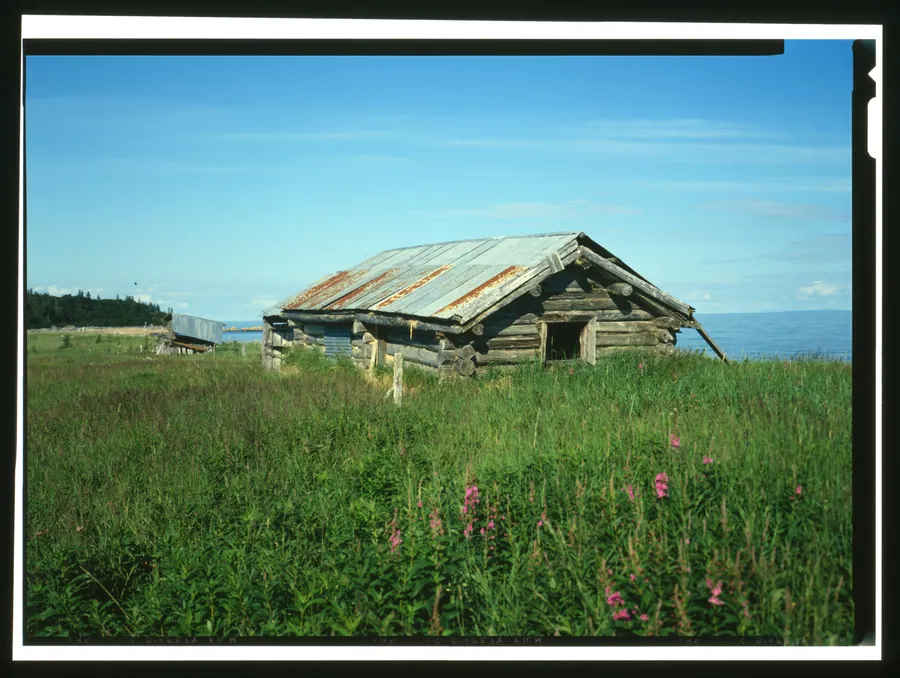
Bering Sea Coast
There are four public use cabins (three managed by the BLM, one managed by AK DNR) along the northern portion of the historic Iditarod Trail. These cabins are open year round for use and do not require a reservation. Don’t forget to write your name in the log books stashed at each cabin site!
From Iditarod National Historic Trail Visitor Guide, page 17
Heading to the Bush
Beyond the reaches of the road system in Alaska lies the “Bush.” Communities in the Bush are only accessible by plane or boat. If you choose to visit either the middle or northern portions of the Iditarod, it is likely that one of these small communities will become a gateway to your experience.
Natural cycles such as weather, tides, the seasons, and wildlife migration are more dominant in Bush Alaska than in urban centers. Expect delays in transportation. Know that all food and fuel in rural Alaska, except locally harvested foods, have arrived by air or water. Expect higher prices on everything, and limited choices and quantities. If you know in advance that you’ll be enjoying someone’s hospitality, try to bring a gift such as fresh fruit or coffee.
Much of the lands adjacent to the Trail around small towns and villages are privately owned. Cabins, camps, and mining equipment along the Trail should be respected as private property and not used, unless marked as public. Historic artifacts should not be removed, as they are protected by law in order to help tell the story of past people, places, and events.