About Sumner
History & Identity
A farm town and a rail town at once: settled in the Puyallup Valley in 1853, renamed for a U.S. Senator to stop the mail going astray, and still known today for rhubarb pie, daffodils, and the trains that run straight through downtown.
From Stuck Junction to Sumner
Sumner has carried three names. The area was known as Stuck Junction before European settlers crossed the Cascades through Naches Pass and settled here in 1853. The townsite was platted in 1883 as “Franklin,” and renamed Sumner in 1891 at the U.S. Post Office Department’s request: too much mail was going astray to the other towns already named Franklin. The City of Sumner incorporated on February 7, 1891, under a mayor-council government shaped like the federal government’s: an elected Mayor runs the executive branch, a seven-member City Council is the legislature, and Municipal Court is the judiciary.
- 1853A wagon train crosses the Cascades through Naches Pass and settles the Puyallup River valley floor, at what was known as Stuck Junction.
- 1883The townsite is platted as “Franklin.”
- 1891Renamed Sumner at the Post Office Department’s request; the City incorporates on February 7.
- 2001The permanent Sound Transit Sounder Station opens on March 10, connecting Sumner to Seattle, Tacoma, and Lakewood.
Rhubarb Pie Capital of the World
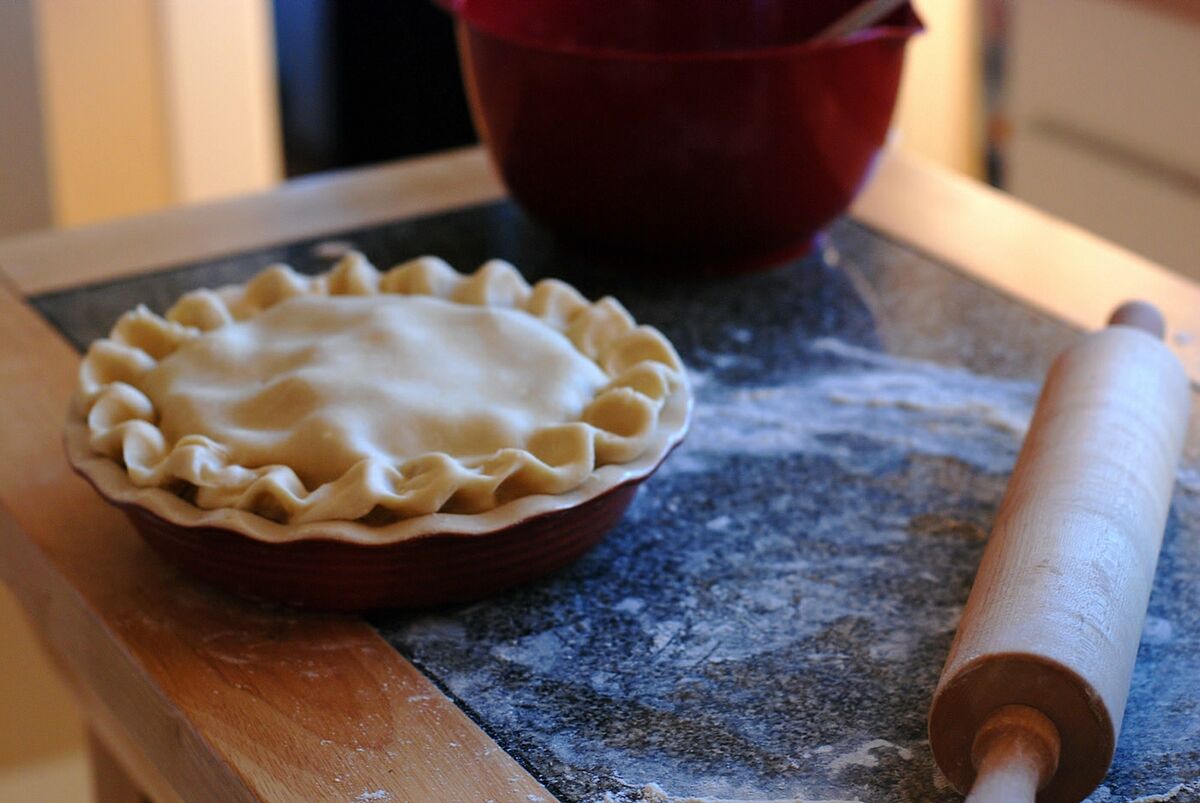
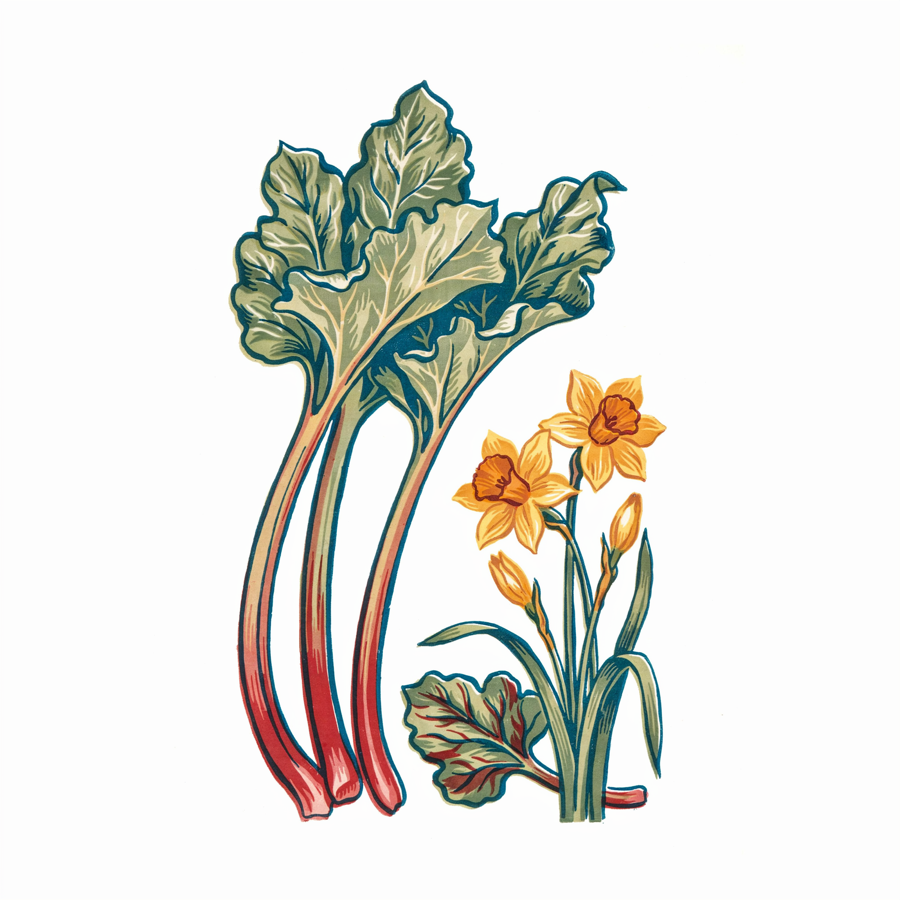
A civic identity dating to the 1930s (its exact origin is, in the City's own words, a bit of a mystery). Hop farming gave way to daffodil, berry, and rhubarb farming after a soil blight; several Sumner rhubarb operations are still run by fifth-generation farming families. Rhubarb Days is Sumner's annual festival, recently shifted from late July/August to late June to track the growing season.
Rhubarb Days, Sumner’s annual festival celebrating the identity, runs in late June. See the calendar for this year’s dates. The tradition has its own dedicated site at rhubarbpiecapital.com (opens in new tab).
Daffodil heritage
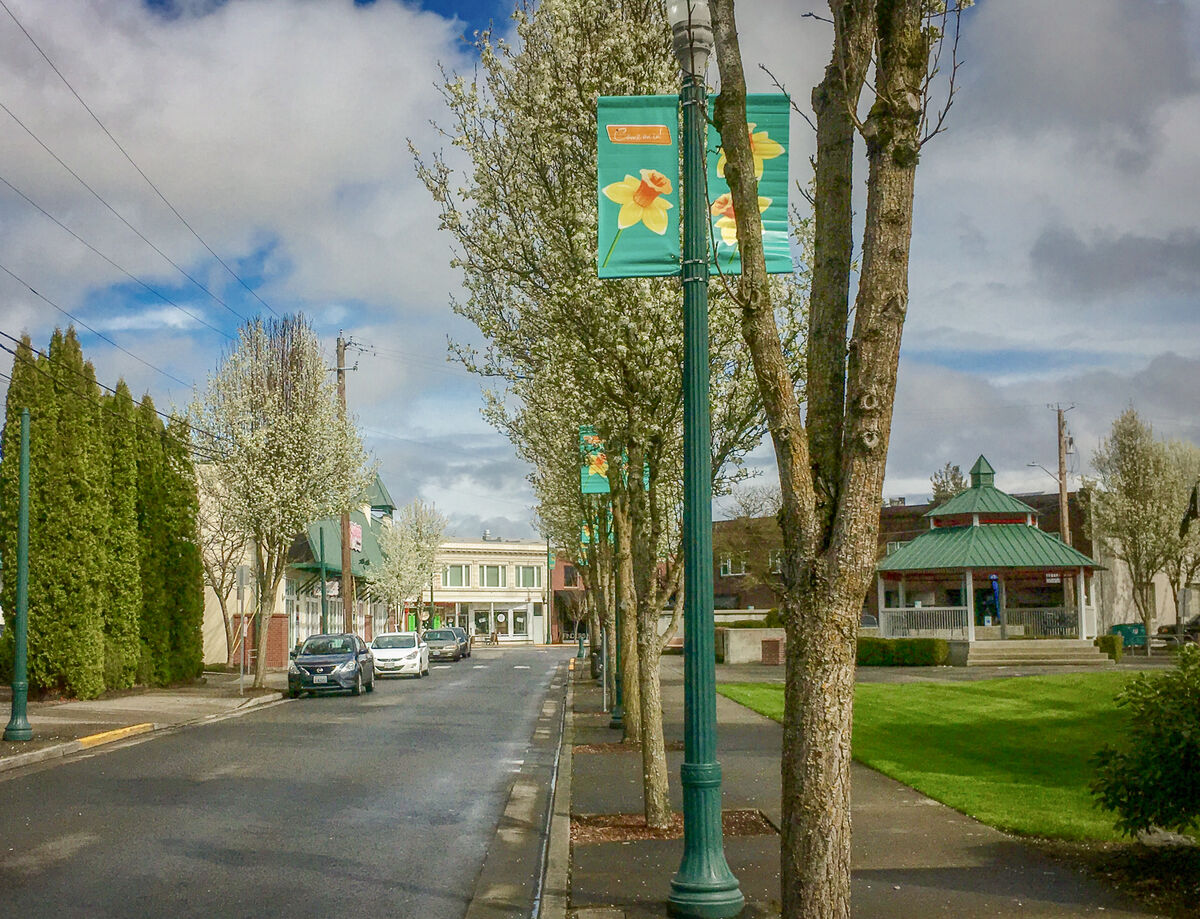
Sumner is one of four stops, with Tacoma, Puyallup, and Orting, on the regional Daffodil Festival Grand Floral Parade, tied to the Puyallup Valley's 80-plus-year daffodil-growing history. Sumner's leg of the parade runs Main Street from Kincaid Avenue to Sunset Stadium.
Sumner’s leg of the parade runs each spring; see the calendar, or the regional festival’s own site at thedaffodilfestival.org (opens in new tab).
A rail town
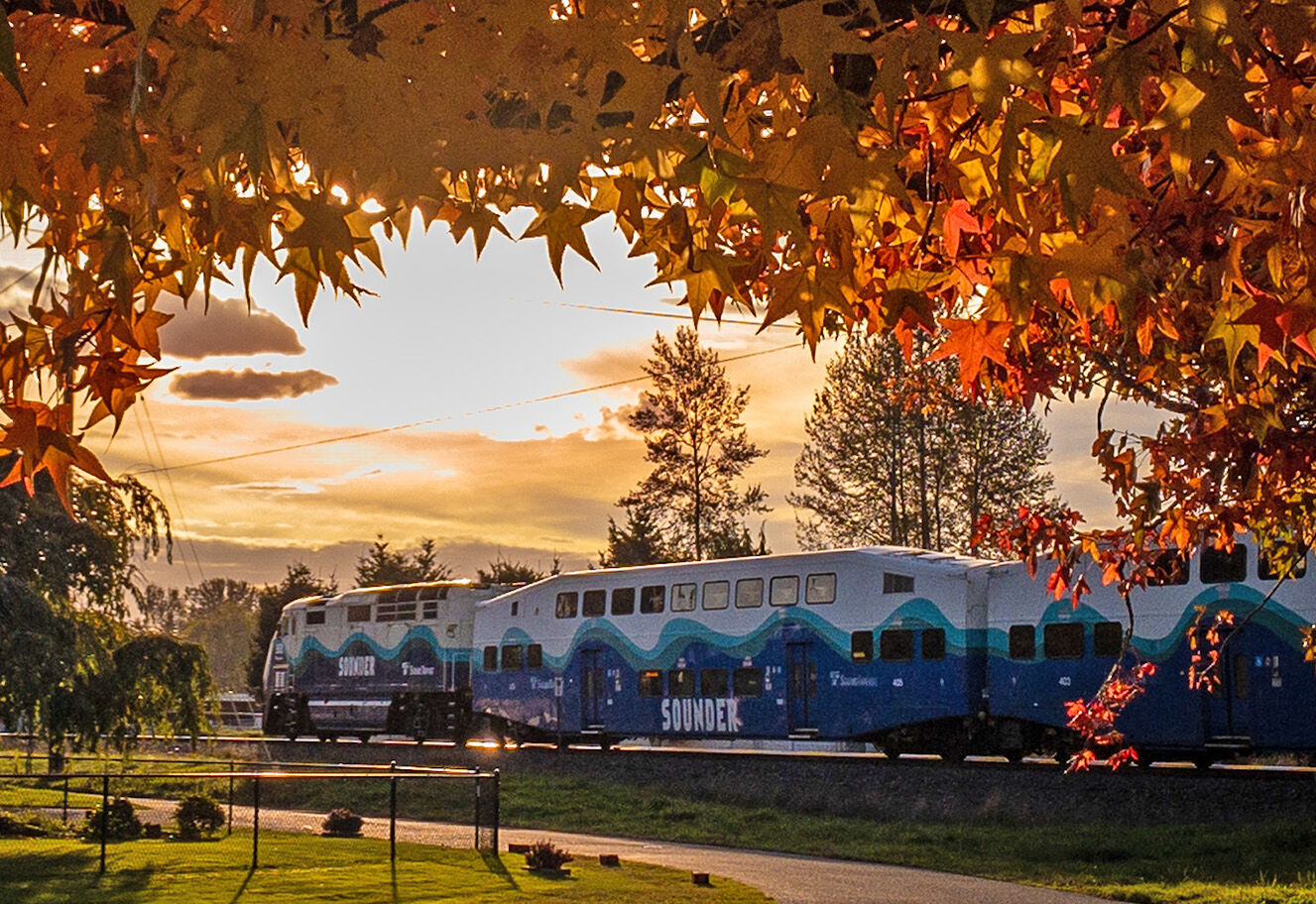
An active Sound Transit Sounder S Line commuter-rail station, with service to Seattle, Tacoma, and Lakewood; the permanent station opened March 10, 2001. A parking-garage and pedestrian-bridge expansion is underway. The garage expansion is running behind schedule, a delay the City has confirmed traces to the contractor and Sound Transit, not the City itself. See Rumors & Questions for the full answer.
Sumner’s industrial core sits along the SR-167 corridor near I-5 and the Ports of Tacoma and Seattle, a regional manufacturing and logistics hub with new warehouse development clustered near the SR-167/24th Street interchange.
Main Street
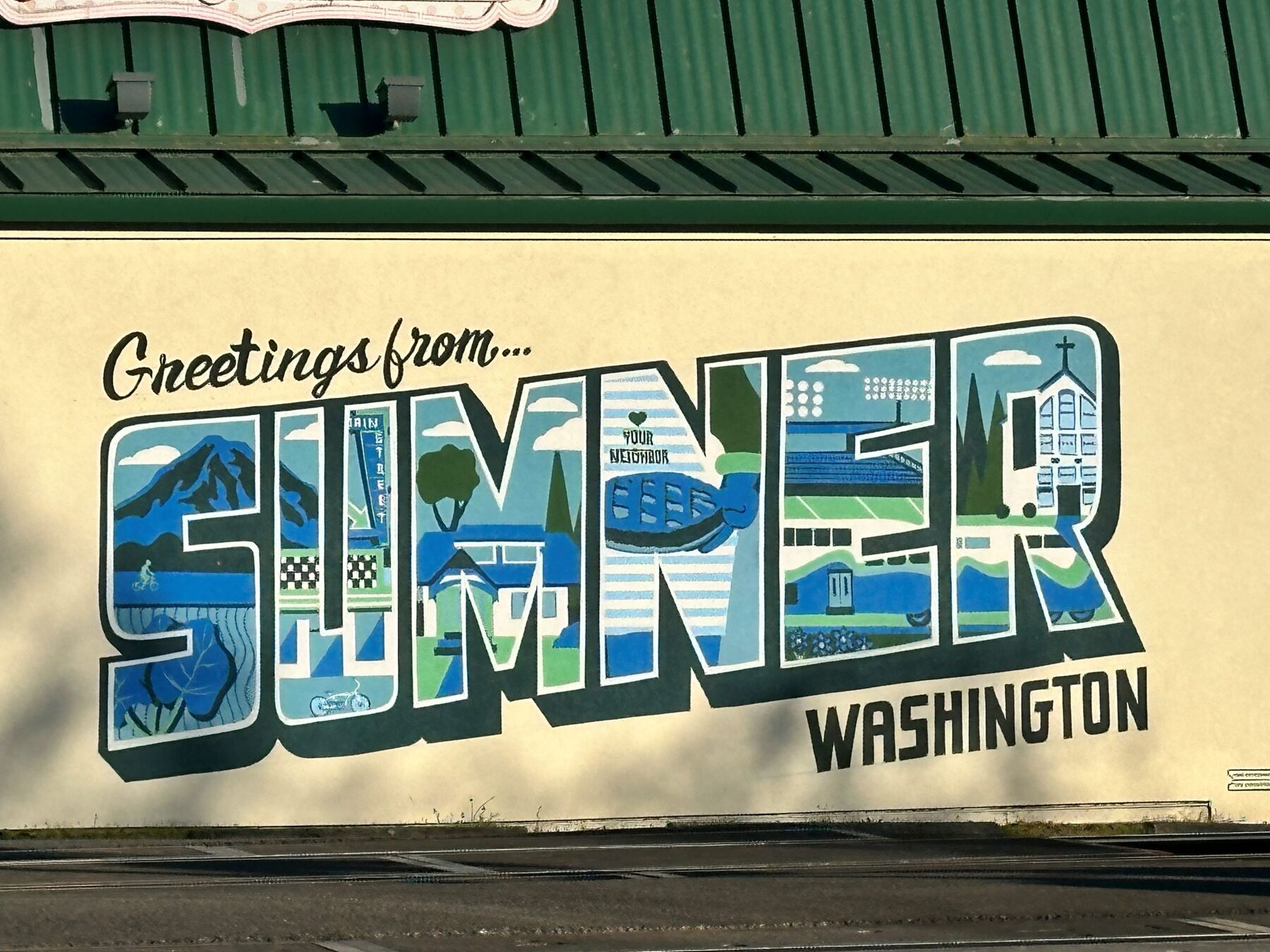
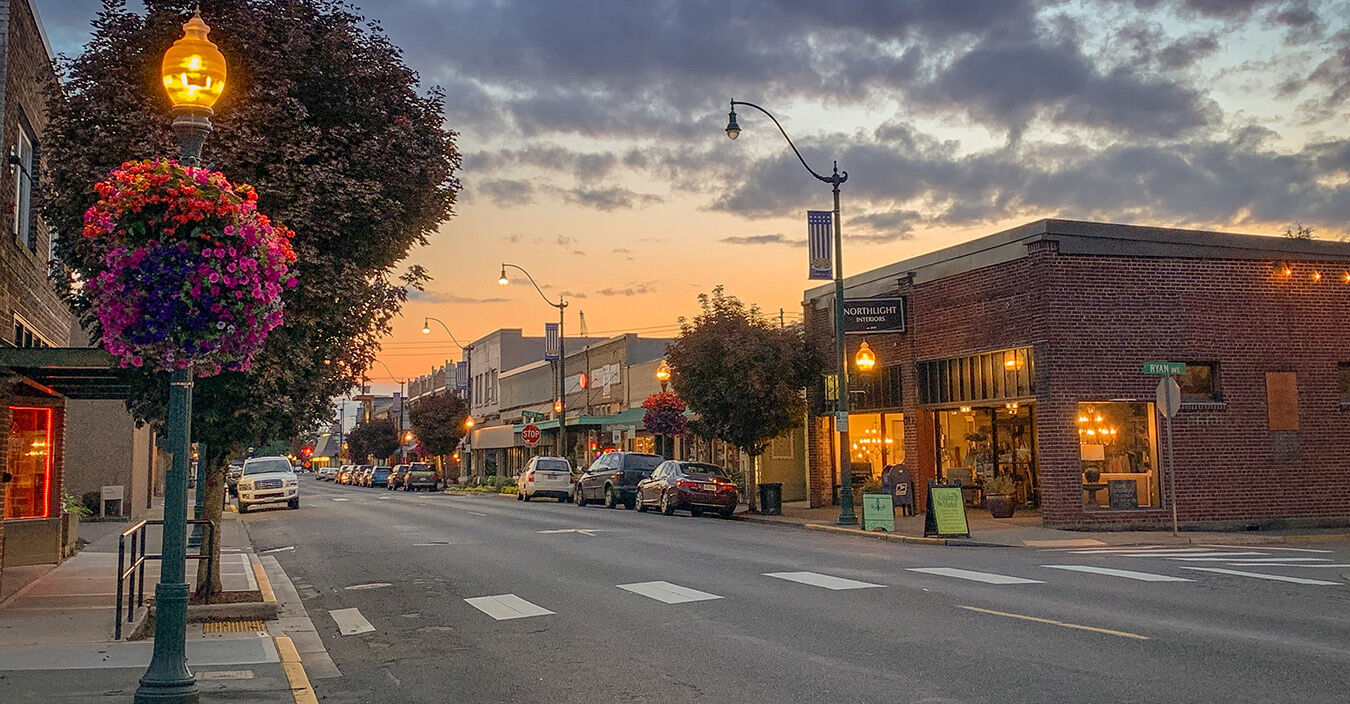
Seven downtown buildings are 100-plus years old, with a concentration of construction from 1921-1922: brick storefronts, antique malls, and the Sumner Main Street Association. A large-letter "Greetings from... SUMNER Washington" postcard mural on Main Street, its letters filled with scenes of Mount Rainier, downtown, the depot, and a rhubarb pie.
Take the self-guided historic walking tour (PDF) (opens in new tab)
Farms in their fifth generation
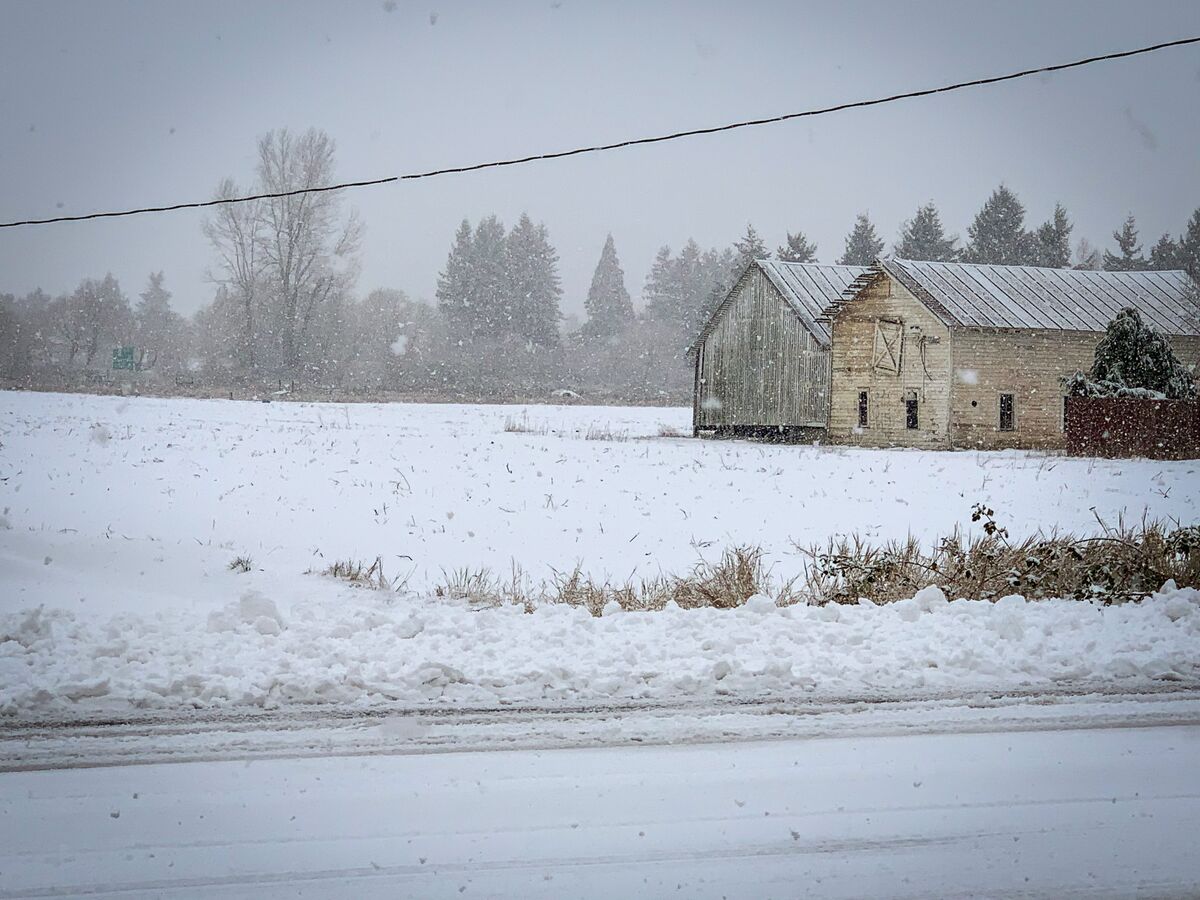
Hop farming gave way to daffodil, berry, and rhubarb farming after a soil blight; several Sumner rhubarb operations are still run by fifth-generation farming families working the same valley floor their families settled in the 1800s.