To the SEC: Don’t let OpenAI IPO put people’s savings at risk
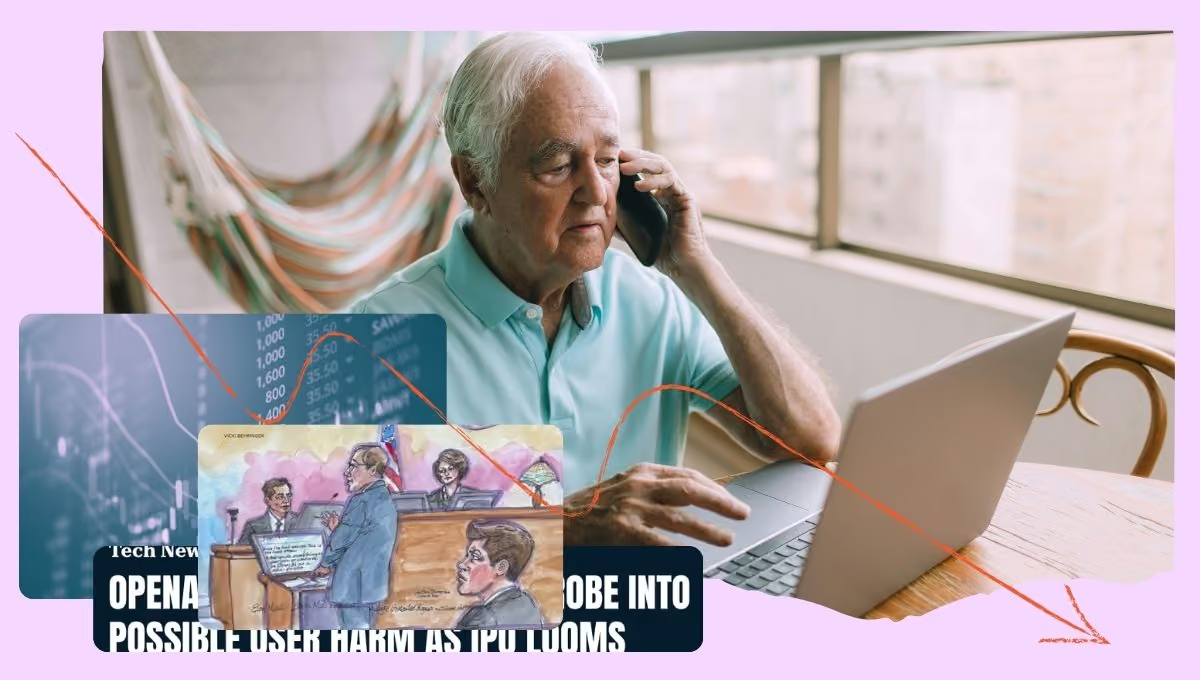
OpenAI’s nonprofit-controlled public benefit corporation recently filed for an initial public offering (IPO), meaning that they’re on the verge of becoming a publicly traded company. That means retirement accounts, pensions, and other savings accounts owned by everyday people will assume the risk of OpenAI’s shoddy governance structure, one we have been calling attention to for the past two years.
Now that OpenAI has taken the first step toward becoming a public company, the EyesOnOpenAI Coalition has sent a letter to the US Securities and Exchange Commission (SEC) highlighting major, unprecedented risks to investors. At the heart of the concern is OpenAI’s structure: a non-profit, legally beholden to prioritize its charitable mission over profit, that owns a for-profit whose incentives are driven by investors’ unrelenting desire for maximum returns.
The letter outlines several risks to investors that stem from OpenAI’s dual and conflicted loyalty, including:
- Public market investors retain no rights to influence board membership; 100% of those rights are held by the nonprofit, whose sole and overriding legal obligation is to its mission, not to shareholders.
- OpenAI’s board is hopelessly conflicted, with overwhelming overlap between the nonprofit and for-profit boards. Investors must question how these overlapping boards can represent their best interests when they diverge from the nonprofit’s interests.
- OpenAI’s board has demonstrated a pattern of shoddy governance, from the debacle that ensued when Sam Altman was fired and rehired in 2023 to the several instances of self-dealing that came to light during the Musk v Altman trial.
That tension between the charitable mission and investors’ profit motive is irreconcilable, and we are concerned that it will be public-market investors—pension holders, 401(k) owners, and other everyday citizens—who end up paying the price. OpenAI can solve these problems by spinning out the nonprofit, as we have been calling on them to do for almost two years, so that it can independently advance the charity’s mission unencumbered by a conflicted loyalty to shareholders.
Read the letter to learn more.
EyesOnOpenAISECLetterDownloadWant to keep an eye on OpenAI and the impacts of AI on our economy? Sign up for our newsletter!