Our Town
Built brick by brick
A farmer's name, a railroad stop, and the biggest kilns in Illinois. For 170 years, Gilberts has made things: bricks, milk, room for newcomers, and a town that still knows its own shape.
Before the rails
In the spring of 1836, E.R. Starks and Elijah Rich filed the first claims in what would become Rutland Township: rolling glacial kames and tallgrass, good water, better soil. Three years later Albro Gilberts arrived and set his farm at what is now the center of the village. The Starks, Hills, Moores, Lynches, and McCornacks broke prairie alongside him.
Gilberts Station, 1852
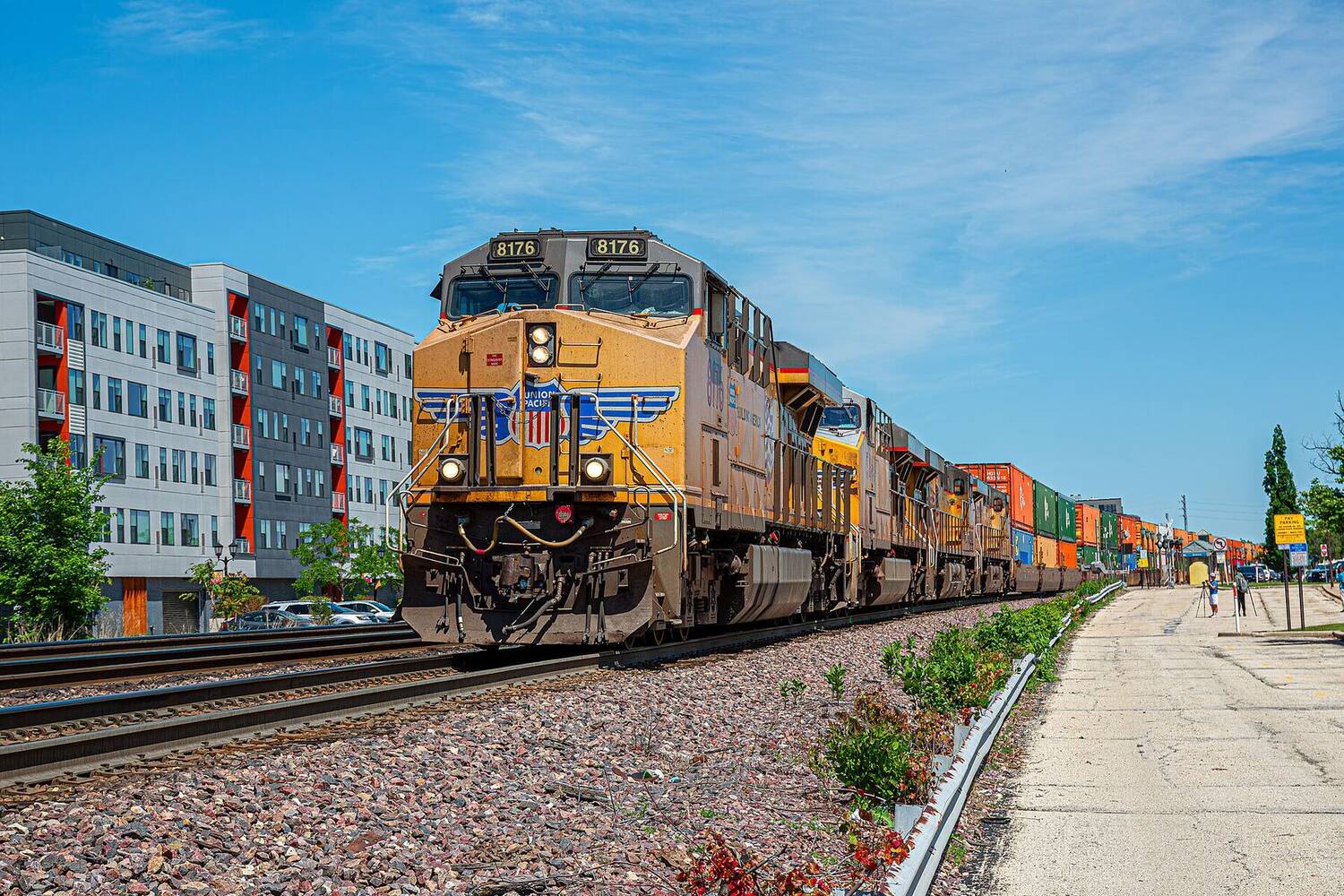
The Galena & Chicago Union Railroad changed everything it touched. A post office opened near the tracks around 1852 under the name Gilberts Station, and in 1855 Elijah Wilcox and Andrew Pingree bought the Gilberts farm and platted a village on it. The name shortened to Gilberts, in honor of the farmer everyone already navigated by. The line still runs through town as the Union Pacific, and the Police Department's address is, fittingly, 86 Railroad Street.
The brickworks, 1868
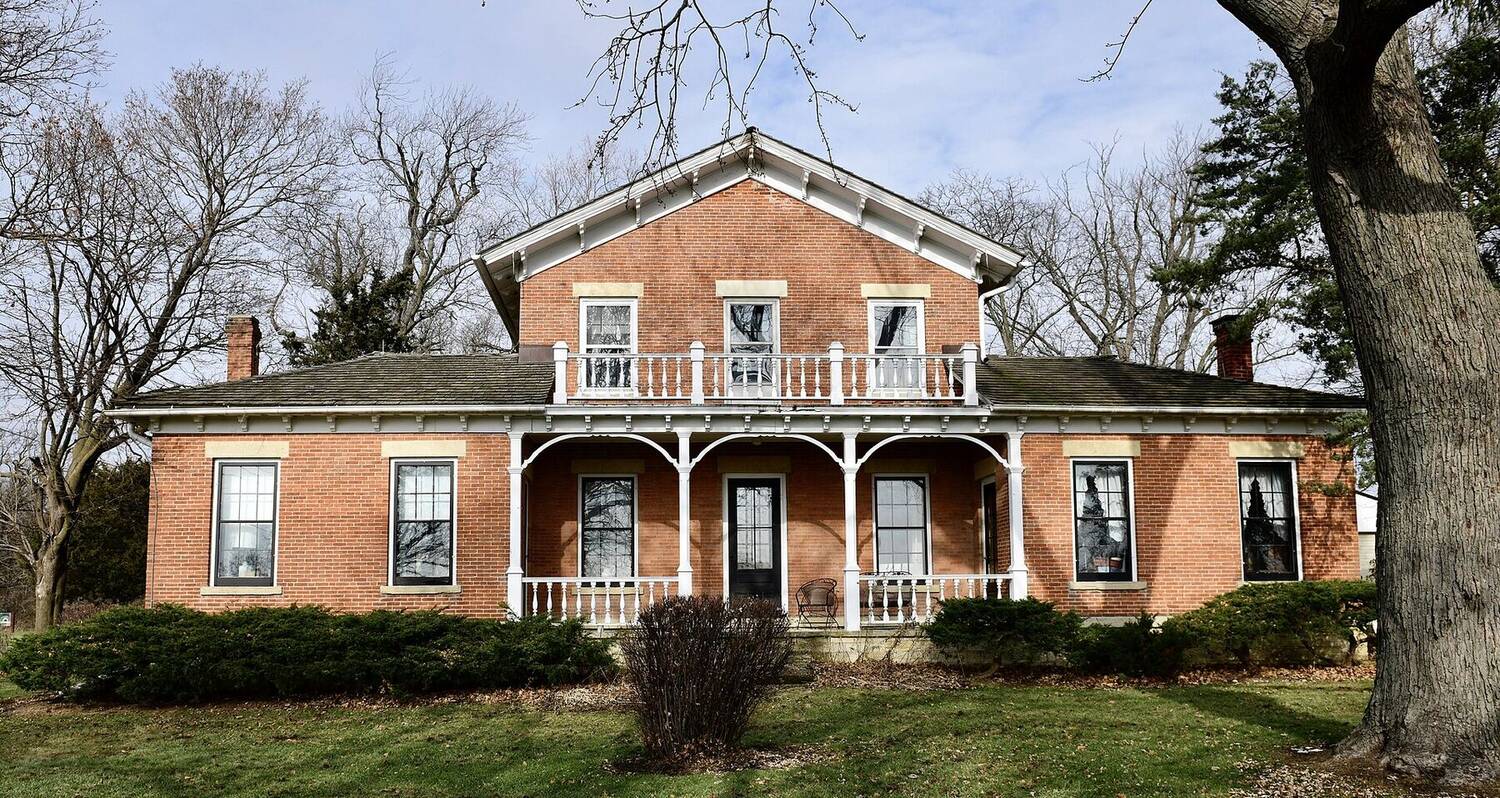
In 1868 David Haeger founded the tile and brick factory that would define the village's first economy. By its completion in 1882 it was the largest tile and brick factory in Illinois. Its kilns fired the clay that built barns, farmhouses, and main streets across the region, while employing about twenty men in a village of a few hundred.
That's why this website looks the way it does: the fired-brick red, the mortar-joint borders, the photographs set in arches. The design is the town's own story, told in CSS instead of clay.
Main-street years
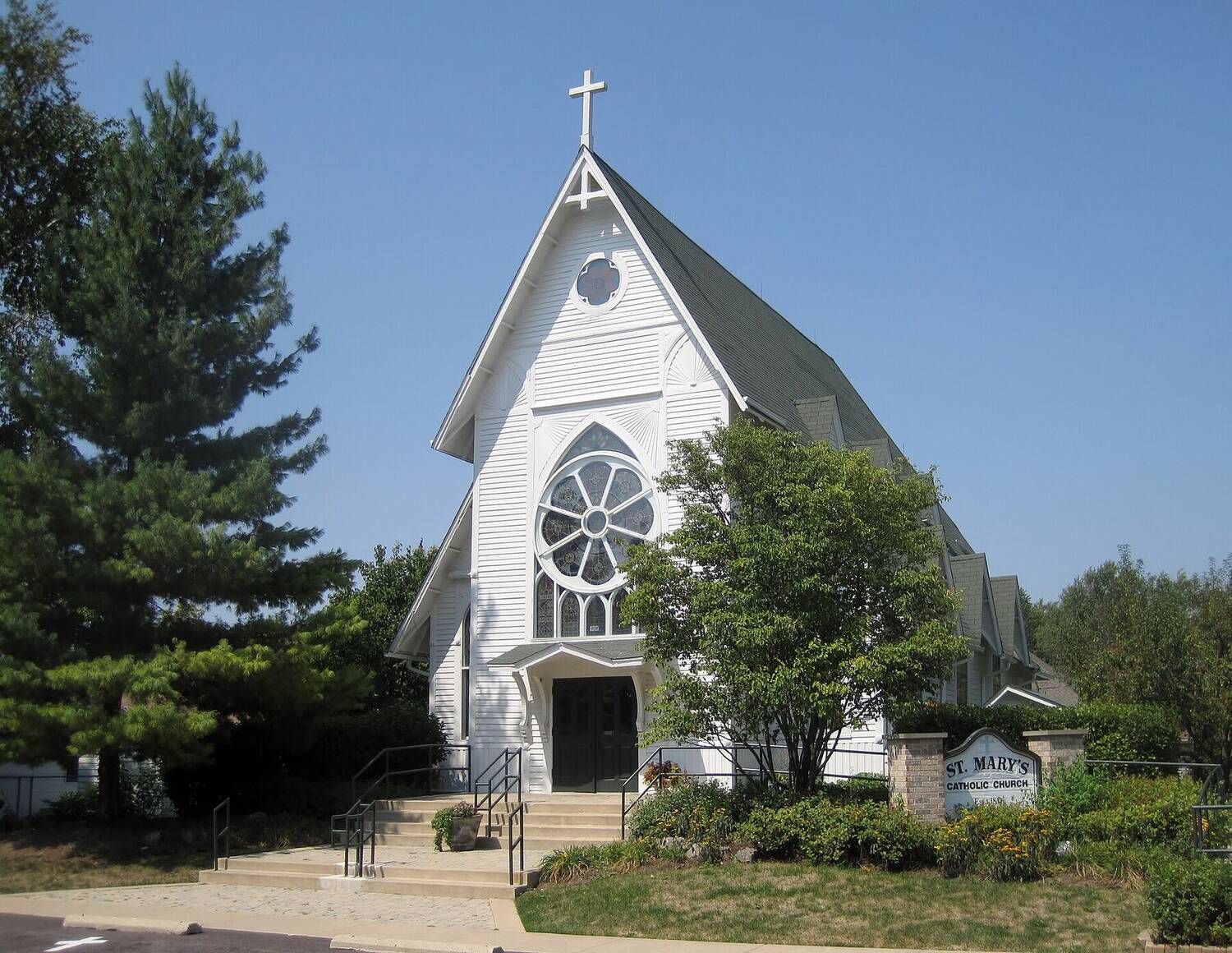
By 1875 Gilberts had two blacksmith shops, a steam feed mill, two grocery stores, livestock barns, a drug store, a lumber yard, saloons, a dance hall, milk processors, schools, churches, and a one-cell jail. The village incorporated in 1890, lit by gas lamps and cooled by ice houses while it waited for the wires to arrive.
Hard times & highways
A 1926 fire that started along the railroad took John Jurs' blacksmith shop. The Depression took the electric train to Elgin and most of the storefronts. But Route 72, finished by 1930, gave the village its first paved road. When the Chicago–Northwest Tollway broke ground in 1956, Gilberts found itself twenty minutes from everywhere.
The growing village
The 1960s brought light industry and four new subdivisions. 1979 brought a new fire station. 1988 brought a modern water system and a campaign stop by George H.W. Bush. Then the 2000s arrived, and Gilberts became one of Kane County's fastest-growing villages: 8,366 neighbors at the 2020 census, young families chasing the same things the Starks and Riches came for. More room. Good ground. A town that works.
| Year | What happened |
|---|---|
| 1836 | First claims filed in Rutland Township |
| 1839 | Albro Gilberts settles the farm at today's village center |
| 1852 | Gilberts Station post office opens on the Galena & Chicago Union line |
| 1855 | Wilcox & Pingree plat the village |
| 1868 | David Haeger founds the brick & tile works |
| 1882 | The factory is the largest of its kind in Illinois |
| 1890 | The Village of Gilberts incorporates |
| 1930 | Route 72 brings the first paved road |
| 1956 | Tollway construction begins nearby |
| 1988 | Modern water system and a presidential campaign visit |
| 2020 | Census counts 8,366 residents |