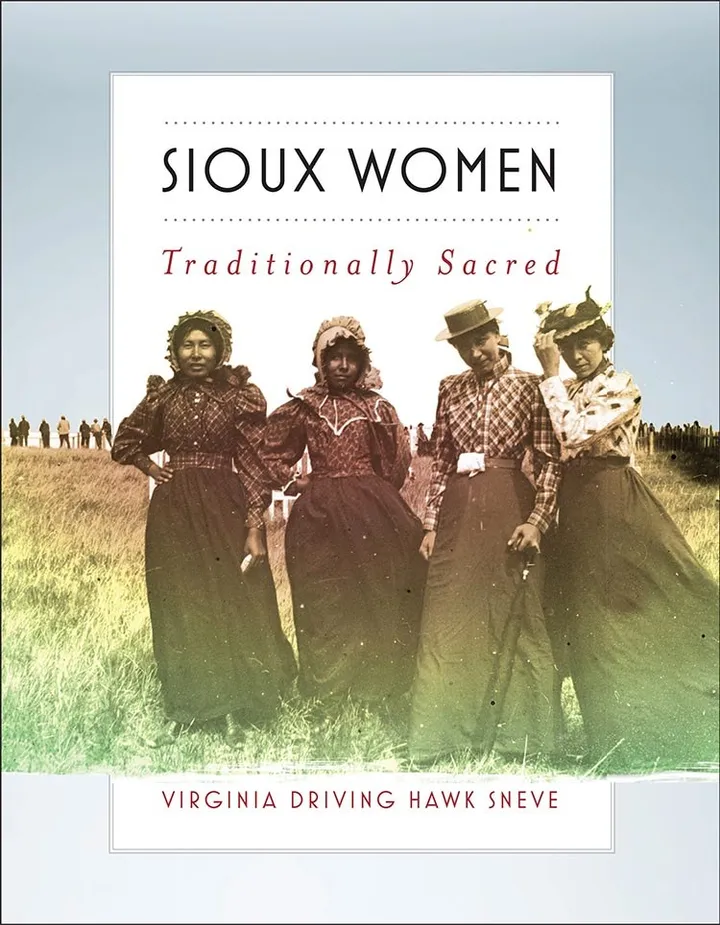
Sioux Women
Traditionally Sacred
Virginia Driving Hawk Sneve
100 pages · black-and-white photographs
“Books about Native women tend to focus only on the past, describing camp life in the nomadic culture of the Lakota, whereas Sneve follows a well-connected thread from that past to the present, weaving it into a more complex and complete picture. . . . Sneve presents a reminder for women to interpret themselves in both historical and contemporary arenas, recognizing what still is important from the past, what has changed over time, and what needs must change in a modern world, without losing sight of what is vital for preservation of self and society.”— Nebraska History
“Wonderful photographs of Sioux women throughout the late nineteenth and twentieth centuries complement the text. Sioux Women follows the story of these women to the present, uncovering their ongoing efforts to maintain and adapt traditional values to the modern world.”— Kansas History
“All tasks of women—cooking, caring for children, tanning and sewing—were considered dignified and worthwhile. No work was looked upon as menial, consequently there were no menial workers.”— Luther Standing Bear , 1931
Sioux women are the center of tribal life and the core of the tiospaye, the extended family. They maintain the values and traditions of Sioux culture, but their own stories and experiences often remain untold.
Virginia Driving Hawk Sneve combed through the winter counts and oral records of her ancestors to discover their past. The result, Sioux Women: Traditionally Sacred, illuminates the struggles and joys of her grandmothers and other women who maintained tribal life as circumstances changed and outside cultures pushed for dominance.
Sneve’s storytelling powers enliven her personal exploration of the roles of Sioux girls and women, making the book an accessible journey into modern American Indian society.
“Virginia Driving Hawk Sneve has written . . . with the intention of dispelling stereotypes and negative images of Native Americans. She has brought the richness of Native American culture and heritage to thousands.”— National Humanities Council , 2000 National Humanities Medalist committee member
Sneve “has gained a reputation, both in Indian country and the literary community, as a first-rate storyteller.”— Bernie Hunhoff , South Dakota Magazine Sneve “is a good example of an elder in the traditional sense of the word. She’s a careful observer of experiences, and she has learned, not only from her own experiences, but also [from those] of her people.”— Chuck Woodard , South Dakota State University
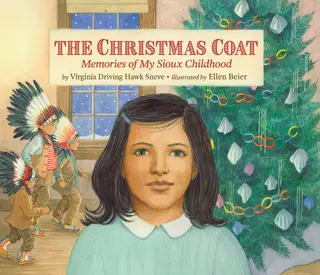
Virginia Driving Hawk Sneve , the daughter of an Episcopal priest and a Lakota Sioux mother, was born and raised on the Rosebud Indian Reservation in South Dakota. A member of the Rosebud Sioux tribe, she has authored several books for young adult readers, both fiction and nonfiction, including Completing the Circle, Standing Bear of the Ponca, The Christmas Coat: Memories of My Sioux Childhood, and Jimmy Yellow Hawk. Sneve received her B.S. and M.Ed. from South Dakota State University and taught English throughout the state and at the Flandreau Indian School. The recipient of the Native American Prose Award and the Spirit of Crazy Horse Award, she is the first South Dakotan to receive the National Humanities Medal.