Language revitalization
Through our language we experience, teach, and live our way.
Language revitalizationEmergency alertsNo active alertsText MIIYU to 77295 for emergency alerts on your phoneAlerts and sign-up

Culture & land
Explore the language, places and traditions of the Pechanga People.
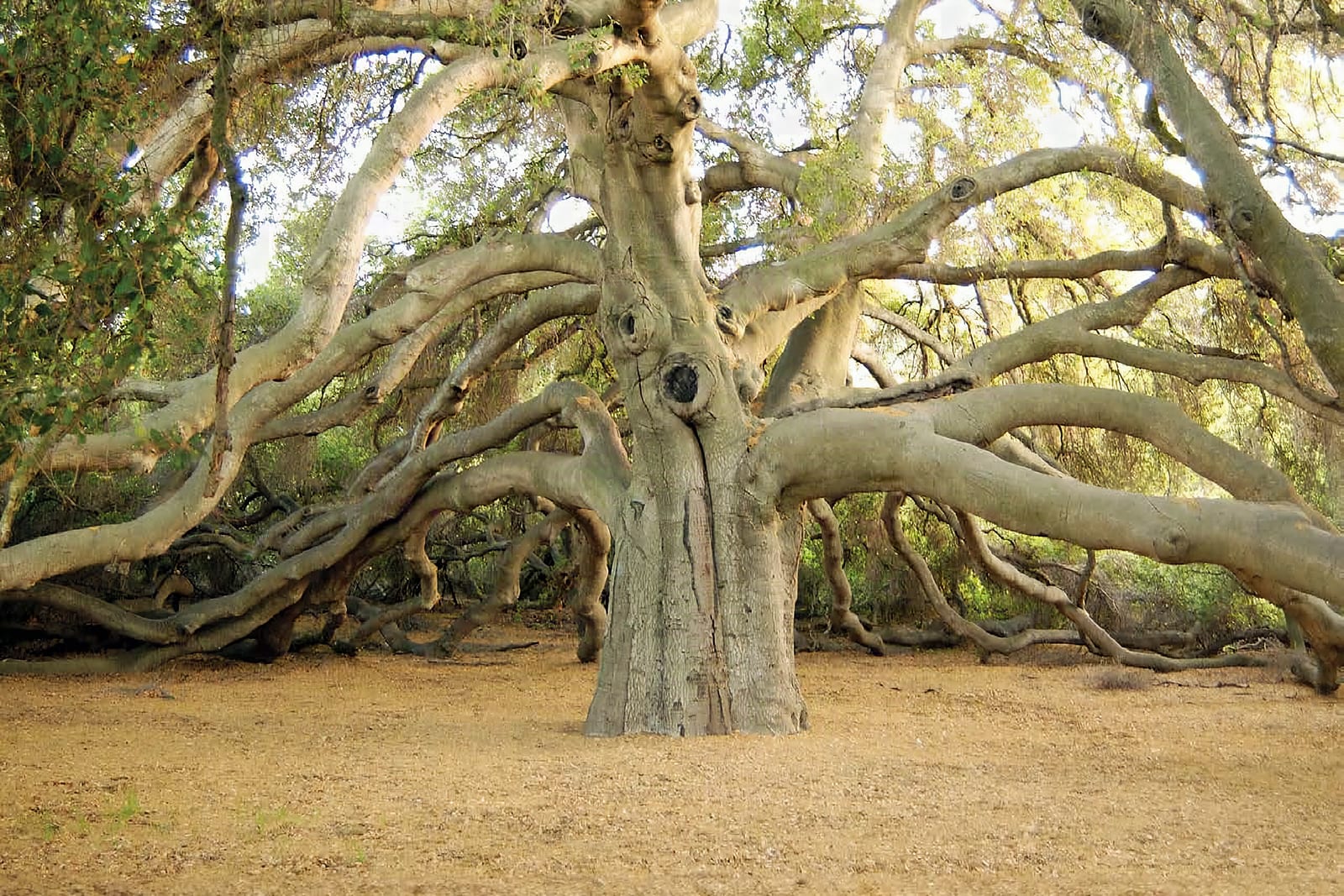
Over 1,000 years old
Wi’áaşal’s largest branches reach the ground, supporting the tree’s weight and creating a sheltering canopy for countless generations of people and animals.
Read about the Great OakThrough our language we experience, teach, and live our way.
Language revitalizationA language-centered school for Pechanga children.
Chámmakilawish Pechanga SchoolPrograms preserve and teach traditional life through classes, exhibits and community outreach.
Cultural CenterPechanga history, the timeline, Facts or Myths and the story of the Great Oak.
HistoryCulture
Pechanga’s culture and traditions are strongly influenced by the religion of our ancestors. We believe that the world began here in the Temecula Valley with the birth of the Káamalam (First People) at ‘Éxva Teméeku. The choices the Káamalam made changed the world in ways that still affect us today, and the stories about the Káamalam have guided the Pechanga people and their ancestors for countless generations.
The world began in Temecula. Kíwvish ‘atáxvish was the only being. Then Kíwvish ‘atáxvish made Túukumit (the Sky) and Tamáayawut (the Earth). Tamáayawut became the mother of all things. She gave birth to the Káamalam (First People). For food, they ate tóovish (white clay). The Káamalam made their home at a place called ‘Éxva Teméeku, the place now known as Temecula.
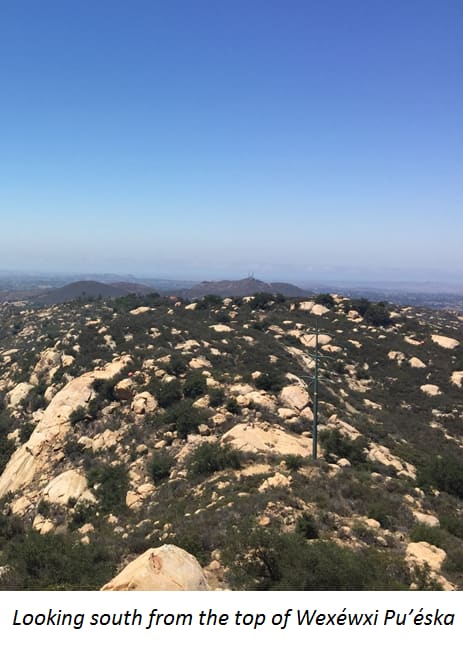
While the Káamalam were living at Teméeku, there was a man, Wuyóot, who was very wise. Wuyóot especially admired a beautiful woman named Waxáawut (Frog), but once he saw that her back was hollow and bony like that of a frog, his admiration quickly turned to disgust. Waxáawut read his thoughts and wanted revenge. She and her companions cursed him, and he fell sick. No one could cure Wuyóot, and he died at ‘Iténgvu Wumówmu (Elsinore Hot Springs).
Wuyóot was cremated on Pu’éska Mountain, and after his ashes were buried, the first oak tree grew from them. Three days later, Wuyóot rose in the sky in the shape of Móyla (the Moon) as a promise that he would always be with his people. After Wuyóot’s death, there was no longer tóovish to eat, but Wuyóot had instructed the people to grind acorns from the oak tree for food. The Káamalam also decided that some of the plants and animals would become food for the others. This is how the animals, plants, and the entire world came to be.
The Pechanga tribe is committed to preserving and practicing ‘atáaxum customs and traditions which have been passed from parents to children for millennia. These practices allow us to understand our relationships with our ancestors, our ancestral lands, and the communities in which we now live. To this end, we established the Pechanga Cultural Resources Center (PCRC). The PCRC is dedicated to preserving and teaching about all aspects of traditional life. Under the guidance of our dedicated Cultural Committee, the PCRC promotes Pechanga culture and history through language and culture classes, tours, exhibits, and community outreach activities.
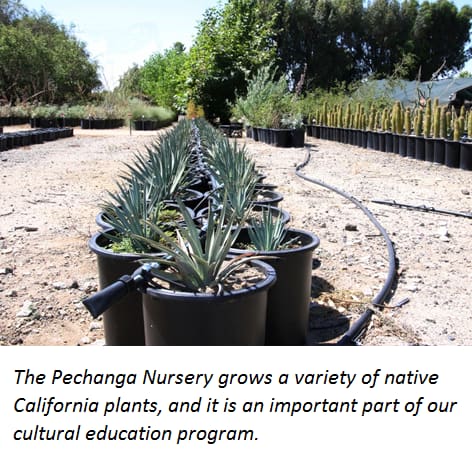
Thanks to the economic support from Pechanga business enterprises, we are strengthening our traditions and ensuring the vitality of our culture for generations to come. Inside our culture are the stories, lessons and worldviews that make us unique. At Pechanga, we share our stories and our vision for the future among one another by preserving and using our native language. Our ethnobotanical practice takes root in our nursery. Cultural artifacts are on display in the Cultural Center and the Government Center, and our traditional skills and knowledge are practiced and shared by tribal members at our outdoor native village complex.
Customs, traditions and people
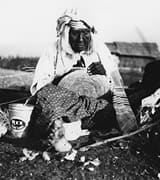 Customs and TraditionsThe Pechanga Tribe invests in preserving and practicing our many traditional ways. Knowing our customs and traditions connects us to our worldview…
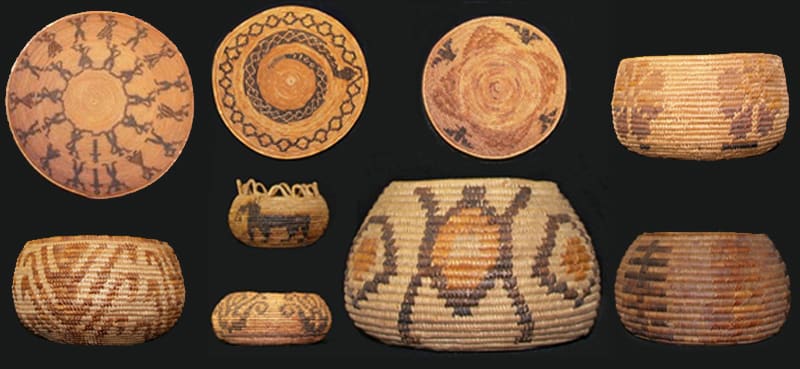 BasketrySouthern California basketry, tóonavish, is recognized worldwide for its quality. Our baskets are renowned for their exceedingly tight weaves, beautiful textures, and…
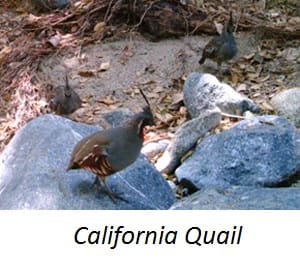 AnimalsOur Creation story tells us that all beings were brought to life on the earth at the same time. Animals are considered…
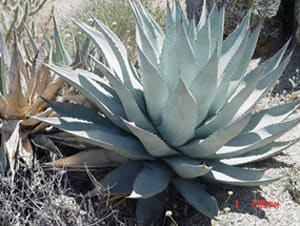 Native Plants and Their UsesPlants are the most important resource the ‘atáaxum have. They have long provided us with food, shelter, clothing, tools, and medicine. Plants…
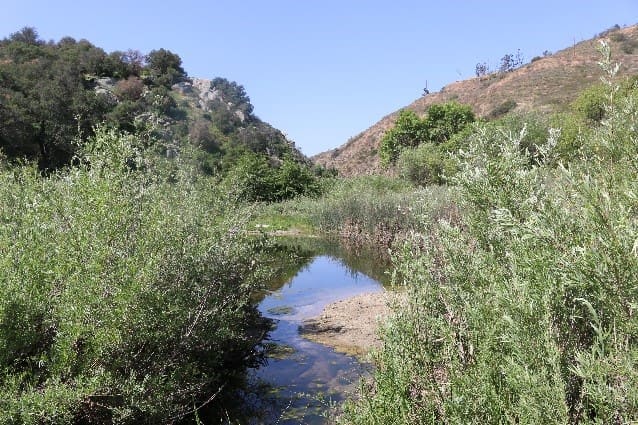 MineralsMineral resources played an important role in the day-to-day lifestyle of the ‘atáaxum. The uses of minerals are diverse: most are raw…RattlemakingDrums were never used by Chamtéela Indians. Our beautiful songs are accompanied by a rattle, never a drum. The use of rattles…
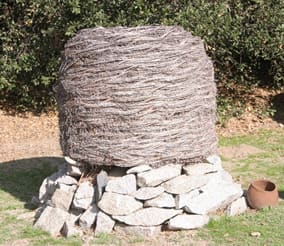 Traditional FoodsThe Pechanga people have always regarded food resources with the greatest respect. Culture and traditions are born out of practices developed in…
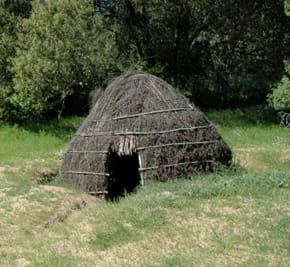 Traditional HomesToday, all Pechanga people live in modern houses or apartments, but before the arrival of the Spanish, their ancestors, the Payómkawichum (Chamtéela…
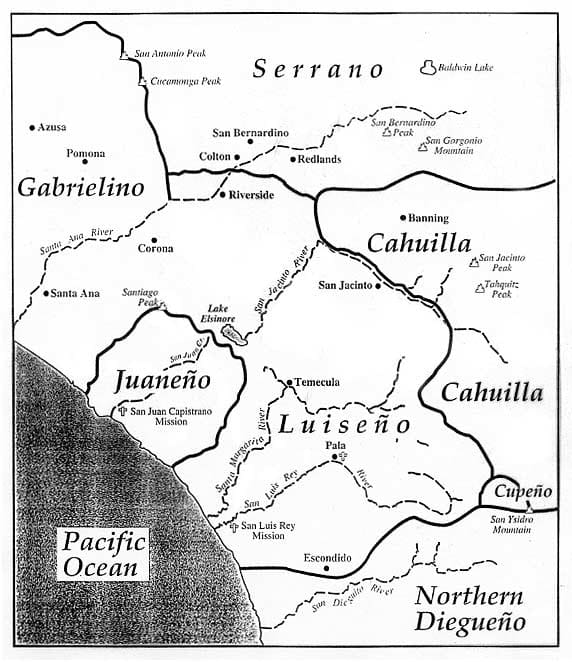 Traditional SitesReference Maps
 Cultural CenterThe Pechanga Cultural Center stands as a testament to the Pechanga Tribe's historical resiliency and unwavering dedication to honor our heritage.
 Monitor ProgramPechanga's Monitor Program helps us preserve and protect our cultural resources throughout our aboriginal territory. Pechanga Cultural Resources has supported this strong…
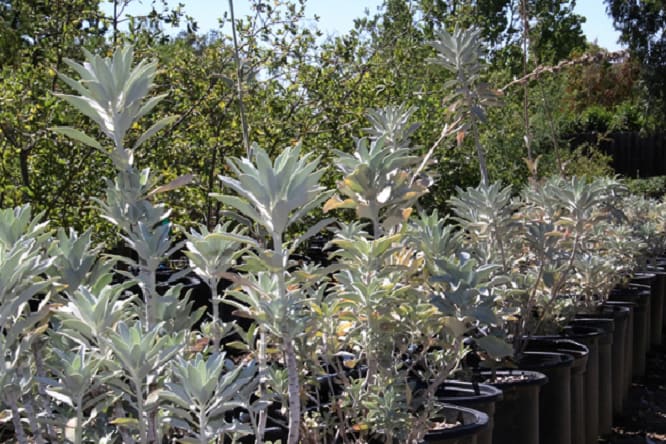 The NurseryThe Pechanga Nursery revitalizes the relationship between our society and our ancestral land — in particular, native plants and their environment. This…
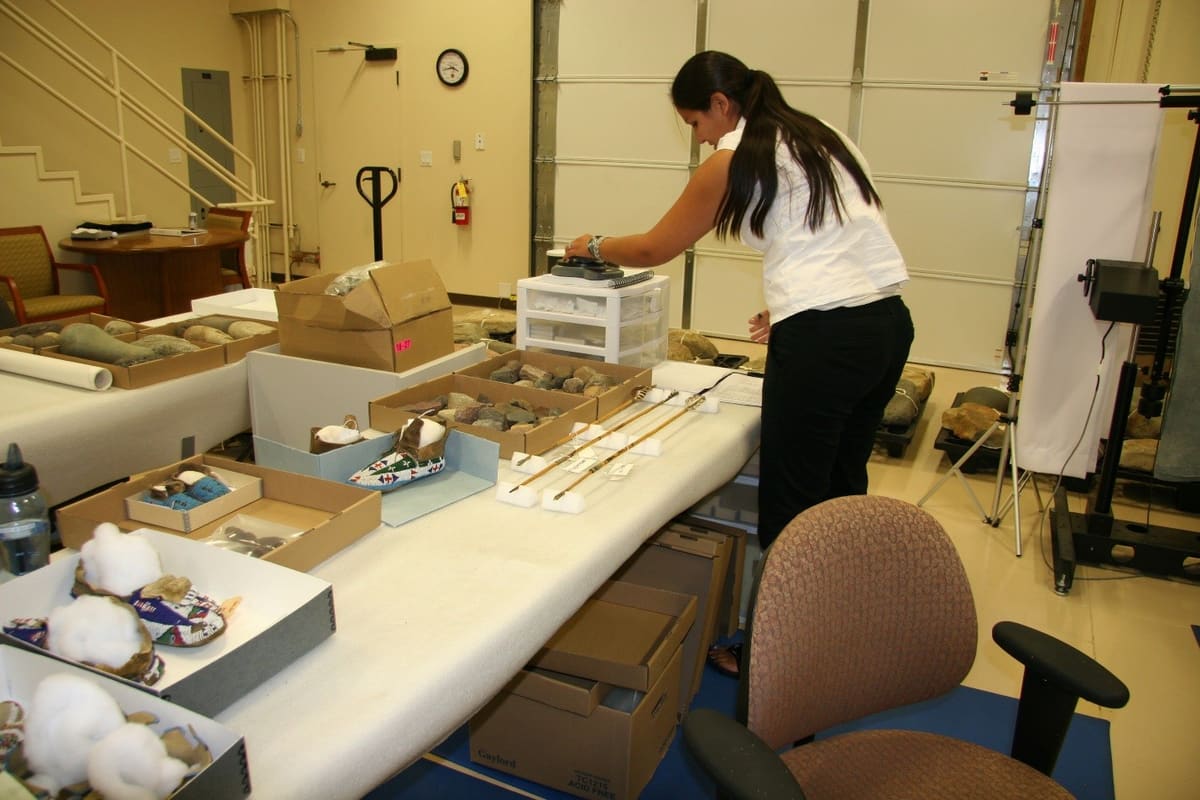
 Traditional Summer Youth ProgramThe Pechanga youth, ages 12 through 17, has developed a Traditional Knowledge Summer Youth Program. The program aims to establish an infrastructure…CurationThe Pechanga Cultural Resources Facility contains a state-of-the-art curation lab and artifacts repository where we clean, catalog, and store our collections of…
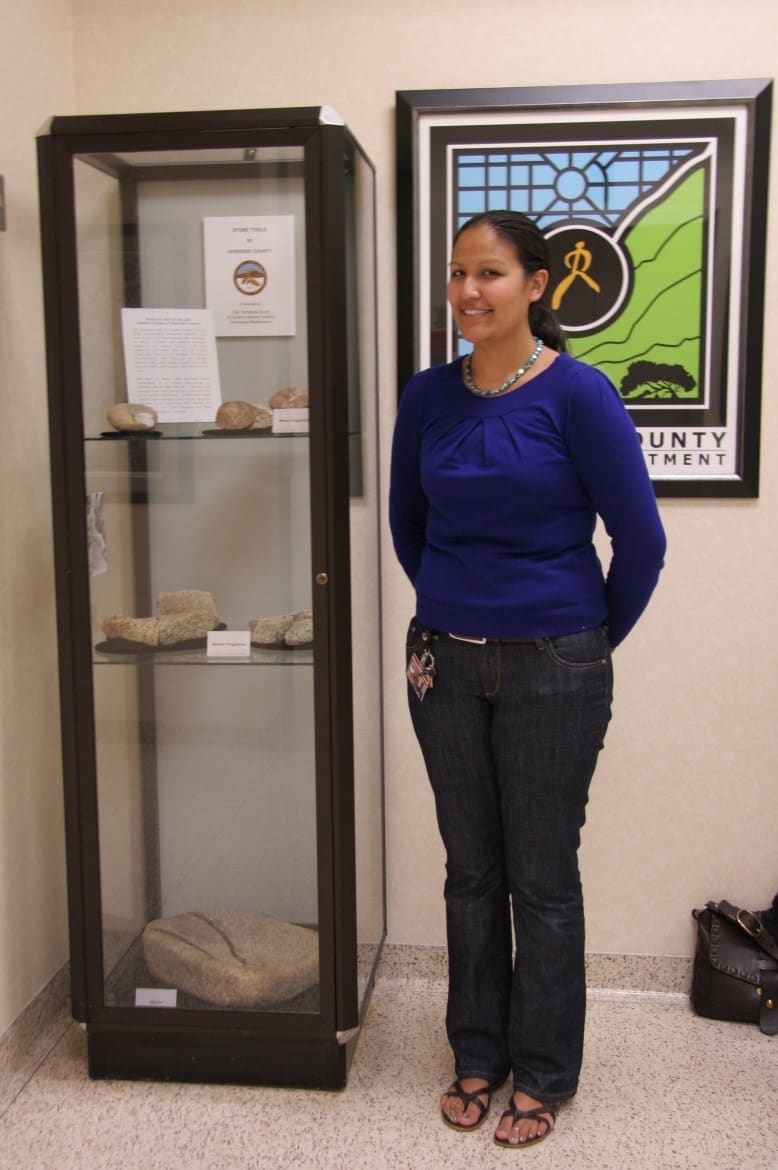 ExhibitsPermanent exhibit case in the lobby of the Riverside County Planning Department.
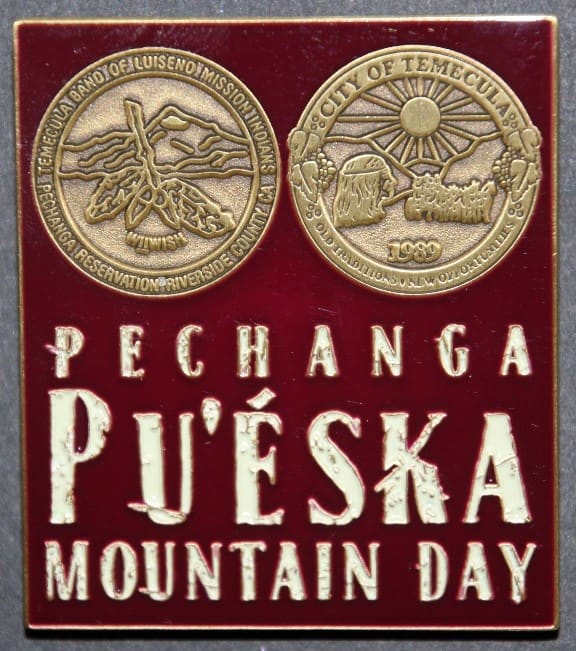 Community EventsEvery November, Pechanga Cultural Resources staff and volunteers participate in the annual Pechanga Pu’éska Mountain Day celebration. This event, which is hosted…The PeopleA people of tradition, we do not let the sun rise or set without remembering who we are — the Pechanga People.
 Silver FeathersPechanga elders carry, share and guide the accomplishments of the Pechanga Band with their wisdom. Our elders have an organization known as…
 Member AchievementsThe Pechanga Tribe encourages and supports all of its members in personal, professional and community growth.
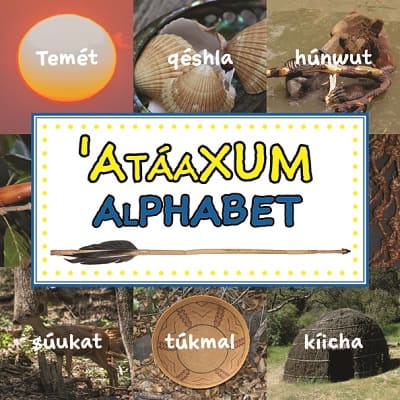 Great Oak PressPechanga established Great Oak Press in order to provide an avenue by which Native voices and topics of significance and importance to…