
School programs
Standards-aligned field trips and classroom outreach bring the Zoo to students across the region.
Better the bond between people and our planet
A day at the Zoo supports real conservation science, cooperative breeding of endangered species, and education for tens of thousands of learners every year.
Species Survival Plans
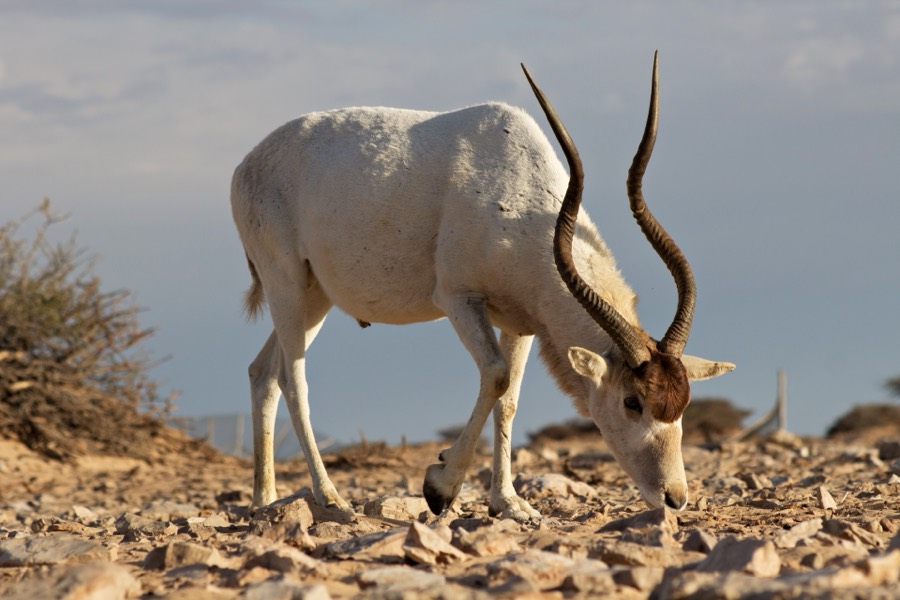
As an AZA-accredited zoo, Louisville takes part in Species Survival Plans, cooperative programs that manage breeding across accredited institutions to keep endangered populations genetically healthy. Many of the animals you meet here, from gorillas to addax, are part of that shared effort.
A conservation success story
The black-footed ferret is North America's most endangered mammal, once considered lost. Louisville Zoo is one of six organizations contributing to the species' recovery, with its Conservation Center producing over 1,000 kits since 1991 and providing over 700 ferrets for reintroduction to Great Plains sites.
Black-footed ferrets were declared extinct after prairie habitat loss and prairie dog poisoning devastated the species.
A remnant population was discovered near Meeteetse, Wyoming, opening the door for recovery.
The last 18 ferrets were gathered into a managed breeding program after disease threatened the wild remnant population.
Louisville Zoo's Conservation Center became part of the multi-institutional recovery effort.
The Zoo continues to support reintroduction, education, and public understanding of one of North America's rarest mammals.
MetaZoo Education Center
From school field trips to week-long summer camps, the MetaZoo Education Center connects learners of every age with animals, keepers, and the science of conservation.
Standards-aligned field trips and classroom outreach bring the Zoo to students across the region.
Week-long day camps give kids hands-on encounters and a behind-the-scenes look at animal care.
See camp dates →Badge workshops, overnights, and group programs for scouts, clubs, and community organizations.
Not just animals
The Zoo's 130 acres are a living plant collection, part of the AZA-accredited collections alongside the animals. Native trees like the Kentucky coffeetree, pawpaw, and bald cypress shade the paths and support the local ecosystem. Search the collection to learn what's growing as you walk.